Expert Dishwasher Repair in Westborough, MA
Appliance Repair for Homes & Businesses in Westborough, Woodville, Massachusetts and Nearby Areas
Dishwasher Repair in Westborough, Massachusetts, Appliance Repair Pros
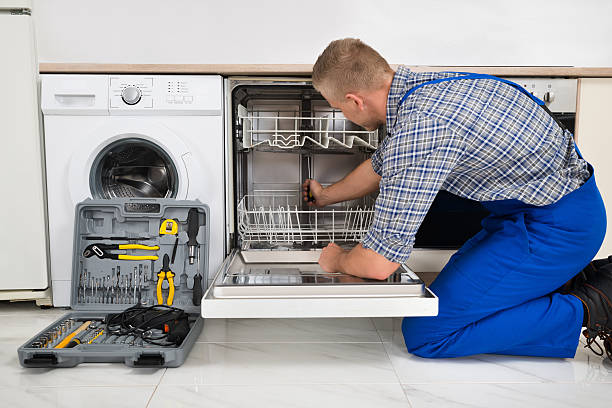
A broken dishwasher turns a convenient evening routine into a messy chore. At Appliance Repair Pros, we provide focused dishwasher repair in Westborough, Massachusetts, helping homeowners reclaim their time and keep their kitchens sanitary. We serve the entire local community, from the neighborhoods near Lake Chauncy to the residential streets bordering Northborough and Shrewsbury. Whether you are dealing with a unit that refuses to drain, leaves dishes covered in food particles, leaks water onto your hardwood floors, or simply will not start, our team is equipped to identify the issue and implement a lasting solution.
In our area, where many homes rely on specific plumbing configurations or face hard water challenges that affect appliance performance, having a local expert matters. We treat your home with care, using protective floor coverings and thorough diagnostic tools to pinpoint the root cause of the failure. We understand that modern dishwashers are complex machines with sensitive electronics and sensors, not just simple water sprayers. When your appliance lets you down, reach out to us for assistance.
Dishwasher Repair Services in Westborough
We handle the full spectrum of dishwasher issues, from mechanical failures to electronic glitches. Our technicians are familiar with the cleaning cycles and drainage requirements of both standard and high-end models. We focus on restoring the efficiency and quiet operation you expect from your appliance.
Dishwasher systems we work on:
- Built-in under-counter units
- Integrated panel-ready models
- Drawer dishwashers
- Portable and convertible units
- Stainless steel tub models
- Plastic tub models
- Smart dishwashers with Wi-Fi connectivity
- Compact and apartment-sized units
What makes dishwasher repair tricky:
- Hidden water leaks that damage subflooring before they are visible
- Complex control boards that manage wash logic and timing
- turbidity sensors that detect soil levels
- Variable speed circulation pumps
- Integrated heating elements for water temperature boost
- Electronic door latches and safety interlocks
- Diverter motors that switch water between spray arms
- Air gap and drainage loop requirements specific to local plumbing codes
Common Dishwasher Problems We Fix
Dishes Come Out Dirty or Spotted
There is nothing more frustrating than running a full cycle only to find food stuck to plates or a cloudy film on your glassware. This often points to poor water circulation, low water temperature, or a filtration issue. In Westborough, hard water deposits can also clog spray arm jets over time, reducing the cleaning power of the machine.
Likely causes:
- Clogged spray arm holes blocked by seeds or debris
- Failed circulation pump motor
- Broken or obstructed detergent dispenser
- Inlet valve not letting enough water into the tub
- Burnt out heating element preventing water from getting hot enough
- Dirty or torn filters allowing food to recirculate
- Hard water mineral buildup
How we diagnose it:
We start by inspecting the spray arms for freedom of movement and blockages. We check the water level during the fill cycle to ensure the pump has enough water to prime correctly. We also test the thermistor and heating element to verify the water reaches the sanitation temperature required to dissolve detergent and cut through grease. We examine the fine mesh filters for tears or heavy soil accumulation.
What you can do right now:
Check the spray arms to make sure they spin freely and are not hitting tall plates. Remove the bottom filter and rinse it under hot water to clear any trapped particles. Run the hot water at your kitchen sink before starting the dishwasher to ensure hot water enters the unit immediately.
Dishwasher Is Not Draining
Standing water in the bottom of the tub is a common and alarming symptom. It can lead to unpleasant odors and potential leaks if the door is opened during a cycle. This issue is often related to the drainage path, which includes the pump, hoses, and your kitchen sink plumbing.
Likely causes:
- Blocked drain hose or kink in the line
- Clogged air gap (the chrome cylinder on your sink)
- Failed drain pump impeller
- Obstruction in the garbage disposal knockout plug
- Check valve stuck closed
- Broken belt on older models
- Control board not sending voltage to the drain pump
How we diagnose it:
We listen for the hum of the drain pump to determine if it is receiving power. If the pump runs but moves no water, we physically inspect the impeller for damage or foreign objects like glass shards or toothpicks. We trace the drain hose from the pump to the sink connection to locate kinks or clogs. We also verify that the check valve is operating correctly to prevent dirty water from backwashing into the machine.
What you can do right now:
If you have a garbage disposal, run it to clear any food waste that might be blocking the drain. If you have an air gap on your sink counter, check if water is spurting out of it; if so, the clog is likely between the air gap and the disposal. clear the debris carefully.
Dishwasher Is Leaking Water
Water leaks can cause significant damage to kitchen cabinetry and flooring, especially in second-floor condos or older homes with wood subfloors. Leaks can originate from the door area, underneath the unit, or from the water supply connection. Identifying the exact source is critical to preventing ongoing damage.
Likely causes:
- Worn or torn door gasket (seal)
- Loose or cracked water inlet valve connection
- Leaking pump seal
- Split spray arm shooting water at the door vent
- Soap suds overflowing from using wrong detergent
- Corroded tub in older units
- Door hinges bent or out of alignment
How we diagnose it:
We remove the lower kickplate and run the machine while observing the underside with a flashlight to spot drips. We check the door alignment and the condition of the rubber gasket. We also inspect the float switch assembly to ensure it isn’t getting stuck, which could cause the unit to overfill and spill out. We examine hose clamps and the water inlet valve for signs of slow drips.
What you can do right now:
Check the door seal for any cracks or food debris preventing a tight close. Verify you are using high-efficiency automatic dishwasher detergent, not liquid dish soap meant for hand washing. If the leak is active, shut off the water supply valve under the sink usually connected to the hot water line.
Dishwasher Will Not Start
A dishwasher that has power but refuses to begin the cycle is frustrating. You may see lights on the panel, or the panel may be completely dark. This issue often involves the safety interlocks or the power supply components.
Likely causes:
- Broken door latch or strike
- Failed thermal fuse protecting the electronics
- Faulty user interface or touchpad
- Main control board failure
- Child lock setting is engaged
- Door switch not sensing the door is closed
- Tripped circuit breaker
How we diagnose it:
We test the door switches for continuity to ensure they signal the control board that the unit is secure. If the panel is unresponsive, we check the thermal fuse and input voltage. We also attempt to enter the unit’s diagnostic mode to see if the control board is capable of self-testing, which helps rule out a total board failure.
What you can do right now:
Check your home’s electrical panel to ensure the breaker hasn’t tripped. Try opening and closing the door firmly to ensure the latch engages. Look for a “Child Lock” or “Control Lock” light on the display and press the appropriate button combination to disengage it.
Cycle Takes Too Long
If your dishwasher runs for three or four hours, it is likely waiting for a condition to be met that isn’t happening. Modern dishwashers are designed to pause the timer until the water reaches a specific temperature or the soil sensor detects clean water.
Likely causes:
- Failed heating element
- Thermostat or thermistor out of calibration
- Clogged filters restricting water flow
- malfunctioning turbidity sensor
- Cold water entering the unit requires long heating times
- Siphoning issue in the drain line
How we diagnose it:
We test the resistance of the heating element and the continuity of the high-limit thermostat. We check the temperature of the water entering the unit; if it is too cold, the dishwasher works overtime to heat it. We also inspect the sensor lens for clouding or mineral buildup that might be confusing the computer.
What you can do right now:
Run the hot water at the sink until it is steaming before starting the dishwasher. This primes the line so the first fill is hot. Check if the “Sanitize” or “High Temp Wash” option is selected, as these naturally extend cycle times.
Dishwasher Is Noisy
While modern dishwashers are built to be quiet, they still have moving parts. A sudden increase in noise, such as grinding, thumping, or buzzing, indicates a mechanical problem or a foreign object in the system.
Likely causes:
- Debris like bone or glass in the chopper blade area
- Worn pump bearings
- Spray arm hitting dishes
- Loose drain hose vibrating against cabinets
- Water inlet valve “hammering” when closing
- Impeller blades broken
How we diagnose it:
We differentiate between the sounds. A rhythmic thump often means a spray arm is hitting something. A grinding noise usually points to the drain pump or chopper assembly. A high-pitched drone may indicate a failing circulation motor. We disassemble the pump housing to clear debris and check the condition of the motor bearings.
What you can do right now:
Open the door and spin the spray arms by hand to ensure they clear the dishes. Check the bottom of the tub for loose utensils that might be rattling. Listen to when the sound happens—during the wash (circulation) or during the drain (drain pump).
Dishwasher Is Not Drying Dishes
Opening the door to find dripping wet dishes is a common complaint. Newer energy-efficient models often rely on condensation drying rather than a heating element, but they should still produce dry dishes if working correctly.
Likely causes:
- Vent fan failure
- Heating element burned out
- Rinse aid dispenser empty or broken
- High-limit thermostat tripped
- Moisture sensor failure
- Improper loading trapping water
How we diagnose it:
We test the heating circuit and the vent fan motor. On models with condensation drying, we verify the final rinse temperature is high enough to promote evaporation. We also check the rinse aid dispenser mechanism to ensure it releases the fluid at the right time.
What you can do right now:
Ensure your rinse aid dispenser is full; this is crucial for modern drying systems. Crack the door open slightly after the cycle finishes to let steam escape. Use the “Heated Dry” option if available.
Soap Dispenser Not Opening
If the detergent pod or powder is still in the cup after the cycle, your dishes are essentially being rinsed with plain water. This prevents proper cleaning and degreasing.
Likely causes:
- Dispenser spring or latch broken
- Wax motor actuator failed
- Dishes blocking the dispenser door
- Detergent caked in the cup from moisture
- Timer or control board not sending the open signal
How we diagnose it:
We manually operate the latch to check for mechanical binding. We test the actuator or solenoid that triggers the door opening. We also inspect the wiring harness in the door to ensure it hasn’t broken from repetitive opening and closing.
What you can do right now:
Make sure tall plates or cutting boards are not placed right in front of the dispenser door. Ensure the dispenser cup is dry before adding powder detergent to prevent it from sticking.
Safety Notes for Dishwasher Issues
Dishwashers combine electricity, heat, and water, making them unique regarding safety hazards. A malfunction can pose risks to both the occupant and the property. If you notice concerning behaviors, it is best to stop using the appliance until it can be inspected.
Safety Checklist:
- If you see water pooling on the floor: Place towels down immediately to prevent slipping hazards and soak up water to protect the subfloor. Turn off the water supply valve under the sink. Do not walk through standing water if the appliance is currently running.
- If you smell burning plastic or electronics: Turn off the dishwasher immediately. Locate your home’s electrical panel and flip the breaker for the dishwasher to the “Off” position. Do not attempt to restart the unit.
- If the controls are acting erratically or flashing: This can indicate a stuck key or a moisture issue on the control board. Power cycle the unit by flipping the breaker off for one minute. If the behavior continues, leave the power off to prevent the unit from starting uncommanded.
- If you see sparks or hear crackling: This suggests a serious electrical short. Cut power at the breaker panel immediately and do not touch the appliance. Reach out to us for assistance.
Brands We Service for Dishwasher Repair in Westborough
While all dishwashers share the same basic function, the engineering inside varies significantly between manufacturers. A Bosch dishwasher drains and dries differently than a GE model. Our team stays updated on the technical service bulletins and design changes for all major brands found in Westborough homes.
Whirlpool Family (Whirlpool, Maytag, KitchenAid, Amana)
These are some of the most common units we see in the area. They typically use a specific style of diverter motor and filtration system. KitchenAid models often feature advanced filtration and specialized bottle wash jets. We are experts at navigating their diagnostic modes and servicing their robust pump assemblies.
Common issues we see:
- Diverter motor seal leaks
- Top rack adjuster breaking
- Wash motor circulation failure
- Control board relay burnout
- Heating element failure
Why diagnosis matters: Because these brands share many components, generic parts often fit physically but do not work electronically. We identify the correct OEM specifications for your exact model number.
GE Family (GE, Hotpoint, Profile, Café)
GE dishwashers are known for their hard food disposers and high-heat drying capabilities. Newer models utilize complex control logic to manage water and energy usage. We understand the nuances of their “piston and nut” drain valve assemblies in older units and the dedicated drain pumps in newer ones.
Common issues we see:
- Electronic control board unresponsiveness
- Door latch sensor faults
- Leaking from the pump housing
- Float switch sticking
Why diagnosis matters: GE units often have specific service modes that allow us to test individual components like the detergent cup and fans without running a full cycle, saving time and ensuring accuracy.
Samsung and LG
These South Korean brands bring high-tech features like linear wash systems, direct drive motors, and Wi-Fi integration. They are heavily sensor-dependent. A seemingly mechanical issue is often actually a sensor communicating incorrect data to the main computer.
Common issues we see:
- LE or OE error codes related to water level
- Drain pump noise or failure
- Case brake (water inlet) assembly clogs
- Touchpad moisture damage
Why diagnosis matters: These units are tightly engineered. Disassembling the door or sump assembly requires knowledge of hidden clips and wiring routing to avoid damaging the sleek exterior or internal harnesses.
Bosch and Thermador
Bosch is renowned for its quiet operation and lack of a heating element, relying instead on condensation drying and super-heated final rinses. Thermador shares this engineering pedigree. These units utilize a unique “aquastop” leak protection system and complex drain pumps.
Common issues we see:
- E15 error code (water in base pan)
- Not draining due to blockage in the check valve
- Dispenser door failure
- Junction box melting (on older installs)
Why diagnosis matters: Bosch dishwashers have a safety pan underneath that catches leaks. If this pan fills, the unit locks down. We know how to clear this system and find the tiny leak that triggered it, rather than just resetting the code.
Frigidaire and Electrolux
Common in many builder-grade installations and renovated kitchens, these units are generally reliable but have specific failure points in the orbital spray arms and door seals. They often use a passive vent system for drying.
Common issues we see:
- Upper spray arm disconnecting
- Door seal leaks near the bottom corners
- Recirculation pump motor seizing
- Touchpad membrane peeling or failing
Why diagnosis matters: Proper alignment of the spray arms is critical in these models. We ensure that the water path is sealed correctly so pressure reaches the top rack.
Understanding Common Dishwasher Error Codes
Modern dishwashers communicate problems through digital codes on the display. These codes are helpful clues, but they are rarely the final answer. They indicate what the computer thinks is wrong, which requires verification.
- IE / 1E (Samsung/LG): Water Inlet Error. The machine is not filling fast enough. Could be the valve, the sensor, or a kinked hose.
- OE (Samsung/LG): Output Error or Drain Error. The machine failed to drain water. Often a pump or clog issue.
- E15 (Bosch): Leak detected. Water has triggered the safety float in the base of the machine.
- E24 / E25 (Bosch): Drain error. Often related to a clog in the trap or drain hose.
- F5 (Whirlpool/KitchenAid): Spray arm or latch issue, depending on the specific model generation.
- HE / TE: Heating Error or Thermistor Error. The water isn’t getting hot, pointing to the element or the temperature sensor.
- LC / LE: Leak Detected. Similar to Bosch, this means the pan sensor is wet.
- Clean Light Flashing: Usually indicates a temperature failure. The unit didn’t detect the water getting hot enough during the cycle.
Maintenance Tips for Dishwasher Owners in Westborough
Regular maintenance can extend the life of your dishwasher and prevent the need for repairs. Given the water conditions in parts of Worcester County, a little attention goes a long way.
- Clean the Filter: Most modern dishwashers have a manual filter at the bottom of the tub. Twist and pull it out once a month to rinse off trapped food and grease. A clogged filter is the #1 cause of cleaning performance issues.
- Run Hot Water First: In cooler months, the water in your pipes can be very cold. Run the kitchen sink tap until the water is hot before starting the dishwasher. This reduces strain on the heating element.
- Use Rinse Aid: Unless you have a water softener, rinse aid is essential. It prevents mineral spots and helps water sheet off dishes, which is critical for the drying cycle.
- Check the Air Gap: If you have an air gap cylinder on your sink, pop the chrome cap off occasionally and check for debris. This is a common spot for clogs that cause drain errors.
- Descale Regularly: If you notice white mineral film on the tub interior, run an empty cycle with a dishwasher cleaner or a cup of white vinegar placed upright in the top rack to break down deposits.
- Don’t Pre-Rinse Too Much: Modern enzyme-based detergents need some food soil to activate. Scrape solids off, but you don’t need to wash the dishes before putting them in the washer.
- Inspect the Racks: If the vinyl coating on the racks gets nicked, rust can form and spread to your dishes. Repair nicks with vinyl repair paint immediately.
- Clean the Seals: Wipe down the rubber door gasket with a damp cloth to remove sticky food residue. This prevents mold growth and ensures a watertight seal.
Service Area for Dishwasher Repair in and Around Westborough, MA
Our service area focuses on the MetroWest region, centered in Westborough. We routinely travel the routes connecting the Boroughs, responding to calls in the quiet residential cul-de-sacs of Northborough, the wooded lots of Woodville, and the condo developments in Shrewsbury. We know the area well, which helps us provide reliable arrival windows.
Nearby areas we serve:
- Westborough
- Woodville
- Northborough
- Southborough
- Shrewsbury
- Grafton
- Upton
- Hopkinton
- Ashland
Zip codes we serve: 01581, 01748, 01532, 01772, 01545, 01519, 01568, 01721
Frequently Asked Questions
Is it worth repairing a 10-year-old dishwasher?
This depends on the brand and the issue. High-end units like Bosch or Miele are often worth repairing at that age. However, if the repair involves a major component like a motor or control board on a standard unit, and the racks are rusting, replacement might be more prudent. We provide honest assessments so you can make the right financial choice.
How long does a dishwasher repair take?
Most repairs are completed within one hour of arrival if parts are available. We stock our trucks with common parts like drain pumps, solenoids, and valves for major brands. If a specific part needs to be ordered, we usually can return to install it within a few days.
Why is my dishwasher leaving white film on glasses?
This is typically caused by hard water minerals or excess phosphate-free detergent. It can also indicate that your water isn’t getting hot enough. Try using a rinse aid and checking your water heater settings. If the problem persists, the dishwasher’s water softener or valve may be malfunctioning.
Do you repair dishwasher leaks?
Yes, leak repair is a priority for us due to the risk of floor damage. We address leaks from door seals, pumps, hoses, and water inlet valves. We recommend stopping the use of the unit immediately if you see water pooling.
What should I do before the technician arrives?
Please ensure there is a clear path to the kitchen. It is helpful to empty the dishwasher of dishes so we can access the interior components. If the unit is full of water, let us know beforehand.
Can you fix a dishwasher that won’t drain?
Absolutely. This is one of the most common issues we solve. It is often a clogged drain hose, a blocked air gap, or a failed drain pump. We can usually resolve this in a single visit.
Do you service built-in and drawer dishwashers?
Yes, we are experienced with installing and repairing integrated panel-ready units and drawer-style dishwashers often found in custom Westborough kitchens. We know how to remove them carefully without damaging cabinetry.
Why does my dishwasher smell bad?
Odors are usually caused by food particles trapped in the filter or drain hose, or by bacteria growing in the door seal. Running a cleaning cycle with a specialized cleaner and manually cleaning the filter usually solves this.
Do you offer dishwasher repair near me?
Yes, if you are located in Westborough, Woodville, or the surrounding towns listed in our service area, we are your local repair team. We are nearby and ready to help.
What brands do you service?
We service nearly all major residential brands, including Whirlpool, GE, Maytag, KitchenAid, Samsung, LG, Bosch, Thermador, Frigidaire, and Electrolux.
Conclusion
You shouldn’t have to hand wash dishes when you have a machine designed to do the work for you. At Appliance Repair Pros, we are dedicated to keeping your kitchen running efficiently. Our comprehensive diagnostic process, knowledge of local water conditions, and familiarity with top brands make us the trusted choice for dishwasher repair in Westborough and the surrounding towns. Don’t let a small leak or a noisy pump turn into a major headache.
Contact us today.